
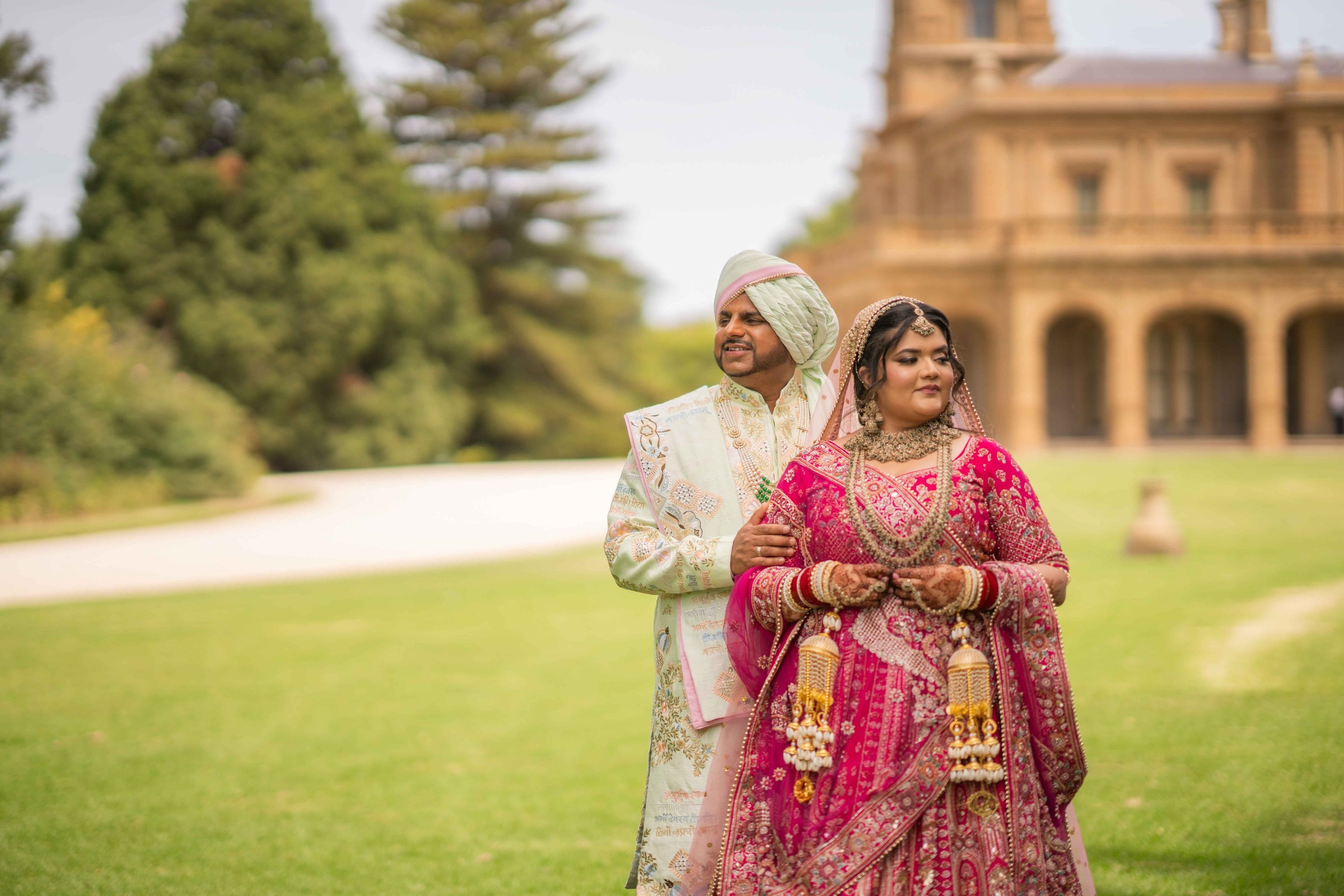
Planning Gujarati, Sikh and Hindu wedding photography in Melbourne is a bit like planning the celebration itself: there are many moving parts, a lot of people, and moments that only happen once. A clear timeline is the best gift you can give your photographer, your videographer and, honestly, yourself.
This guide is general and written with respect. Every family does things a little differently, so treat it as a starting point and always follow the lead of your family, your priest or your gurdwara committee.
Why a timeline matters so much
Gujarati, Sikh and Hindu weddings often run across more than one day, with several venues and many family groups. Ceremony times can also be set around an auspicious time rather than the clock. That makes planning for photo and video even more useful.
A shared timeline helps your photographer be in the right place before things start, allow enough time for family portraits, and avoid rushing the quiet moments.
The events you may be planning
Not every couple has all of these. Here is how the celebrations commonly look, depending on your family and community.
Mehndi and pithi (haldi)
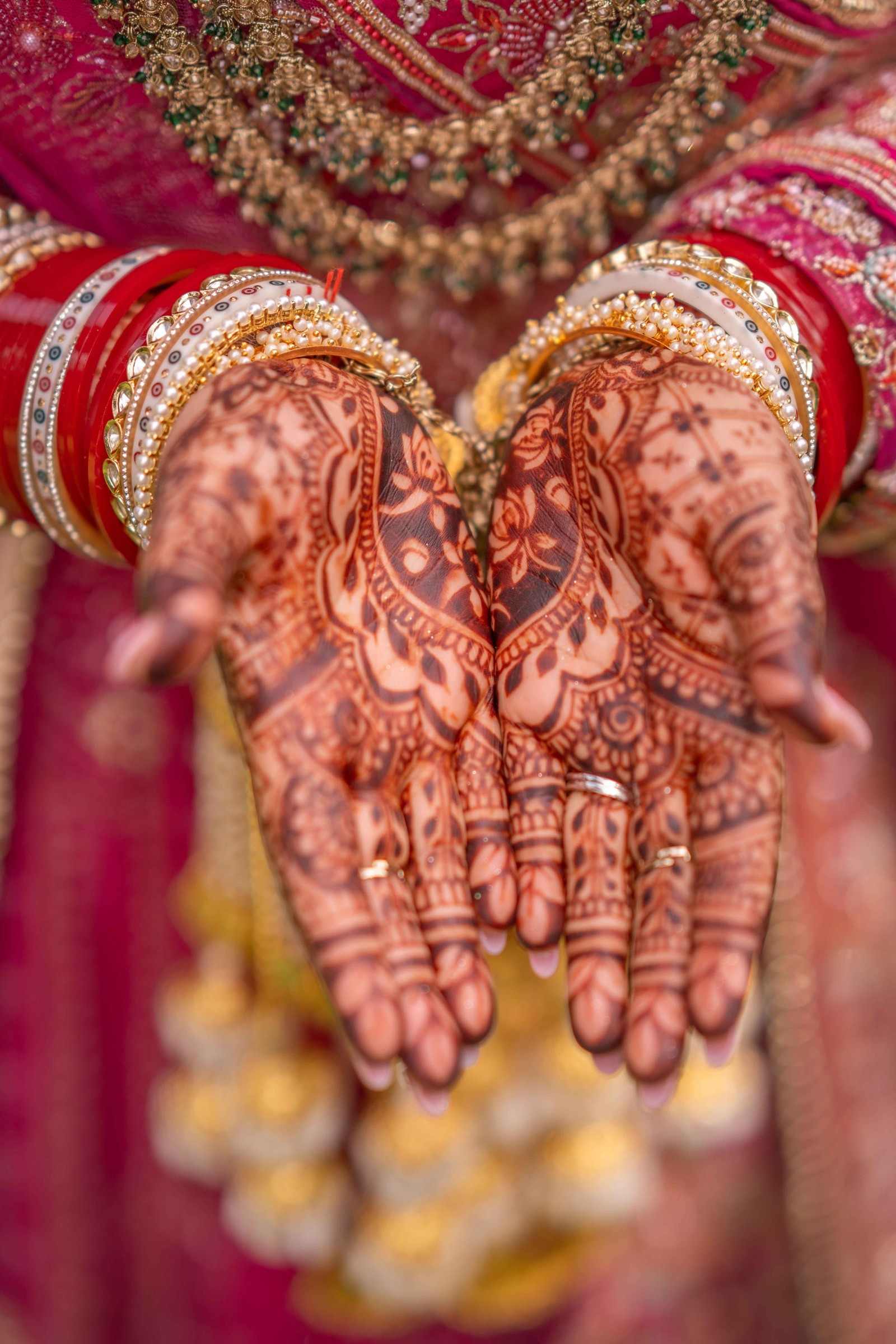
These are colourful, close and often very emotional. Mehndi is about detail: patterns, bangles, laughter. Pithi or haldi is playful and messy, so ask family to wear clothes they do not mind staining and tell your photographer what to expect.
Sangeet and garba
Sangeet nights and garba or raas are all about movement and light. They are often in dim or coloured lighting, with fast dancing. Tell your photographer and videographer which performances you have planned, and when, so they can be ready.
Baraat, jaan and milni
The groom’s procession, with dhol, dancing and the first meeting of the families, is high energy and over quickly. In a Sikh wedding, the milni is when the two families greet each other. Let your photographer know the route, the meeting point and the order of the greetings.
The ceremony: pheras or Anand Karaj
In a Hindu or Gujarati ceremony, the pheras around the sacred fire are the centre of the day. In a Sikh wedding, the Anand Karaj takes place in front of the Guru Granth Sahib and includes the four laavan. Often it is held in the morning, but follow your own family’s plans.

Vidaai or doli, and the reception
The farewell is one of the most tender moments of the day. Then comes the reception, with entrances, speeches, first dance and family dancing. If you want a first look, a family dance or a surprise, share it in advance.
A sample wedding-day timeline
This is an example only. Your times will differ, so work it out with your venues and your priest or gurdwara.
- Getting ready (first on the day): details such as outfits, jewellery and mehndi, then portraits with parents.
- Arrival and milni or baraat: a short window with lots happening. Share the exact start point.
- Ceremony: allow the full length of the rituals. Ask your priest or gurdwara what is allowed for photo and video.
- Family portraits: usually right after the ceremony while everyone is together. Give a written list.
- Couple portraits: a calm window, ideally with good light. Even 30 to 45 minutes can give you a lovely set.
- Vidaai or doli: keep family nearby and let the moment breathe.
- Reception: entrance, speeches, first dance, cake or any special items, then dancing.
As a rough guide, allow more time than you think for family portraits and for moving between locations. A relaxed timeline always produces better photos than a rushed one.
Shot list tips
A shot list is not a script. It is a short reminder of what matters most to you.
- Details: invitations, jewellery, outfits, shoes, mehndi, the mandap or the gurdwara setting.
- Family groups: write names and relationships, such as “bride with both sets of grandparents”, and pick one person to gather everyone.
- Key rituals: the moments you most want captured, for example the laavan, the pheras, the ceremony vows or the kanyadaan.
- People who cannot be there: if family overseas will watch, tell your team. Live streaming is something I can talk to you about.
- Candid moments: the aunties laughing, the kids dancing, the dhol player. Mention anyone special, such as a grandparent who travelled a long way.
What to tell your photographer
- The full programme, with start times, addresses and who is leading each part.
- Your tradition and any rules, such as covered heads, shoes off, and where the camera can and cannot go.
- Family sensitivities, such as who should stand where, or who prefers not to be photographed.
- The language your elders speak. I speak English, Hindi and Gujarati, so if a grandparent is more comfortable in one of those, just say so.
- One or two people who can help find relatives for group photos.
Respect first: asking before photographing
Some moments are sacred, and a good photographer asks first. At a gurdwara, expect to cover your head and remove shoes, and follow the committee’s guidance on where to stand. In a temple or at a mandap, the priest can tell you which parts are fine to photograph. Respecting the space is what allows the images to feel natural.
Photo and film together
With so much happening, many couples choose both photography and a film. If you want to think it through, read my guide on wedding videography vs photography. For large events with many locations, a team of five photographers and videographers can cover the day.
You can also see how I approach a Sikh Punjabi wedding in this Sikh Punjabi wedding story, or browse the wedding gallery and the wedding photography and videography page.
Frequently asked questions
How early should I share my timeline?
As soon as you have a draft. Even an unfinished timeline helps, and it can be adjusted as venues and priests confirm details.
Can you cover several days of events?
Yes, events like mehndi, sangeet, garba, baraat and the ceremony can be covered separately or together. Tell me which ones you want covered so we can plan the hours.
Do you photograph inside gurdwaras and temples?
That depends on the rules of each place. I always follow the guidance of the priest or gurdwara committee, and it helps if you check permissions in advance.
What if the timeline runs late?
It often does, and that is completely normal. A flexible plan and a buffer for portraits keeps the day calm.
Ready to talk?
If you are planning a Gujarati, Sikh or Hindu wedding in Melbourne, send me your dates and your rough programme. You can enquire here, email Hello@jyproductions.com.au or message me on WhatsApp at +61 435 222 666. I am happy to answer questions with no pressure.